German Restaurant & Café Vocabulary for Beginners
Learn essential German restaurant and café vocabulary with this beginner-friendly word list. Whether you want to know how to say menu in German, what coffee in German sounds like, or how to ask for the bill in German, this page has you covered. You will find common German dining words for ordering food, talking to the waiter, and navigating a restaurant or café in Germany. This resource is designed for A1–A2 learners who want to build practical, real-world German vocabulary. Use the word list and interactive activities below to practice German restaurant vocabulary before your next trip.
Nouns


die Reservierungen
reservation, booking
“Die Reservierung ist fertig.”
The reservation is ready.

die Löffel
spoon
“Der Löffel liegt auf dem Tisch.”
The spoon is lying on the table.

die Bars
bar (pub, counter)
“Wir gehen heute in die Bar.”
We are going to the bar today.

die Trinkgelder
tip, gratuity
“Ich gebe das Trinkgeld auf den Tisch.”
I put the tip on the table.


die Gerichte
dish, court
“Das Gericht ist heute sehr lecker.”
The dish is very tasty today.


die Rechnungen
bill
“Die Rechnung liegt auf dem Tisch.”
The bill is on the table.


die Eissorten
ice cream, ice
“Ich esse das Eis gern.”
I like to eat the ice cream.


die Frühstücke
breakfast
“Ich esse das Frühstück um acht Uhr.”
I eat breakfast at eight o'clock.


die Mittagessen
lunch
“Das Mittagessen ist heute sehr lecker.”
The lunch is very tasty today.

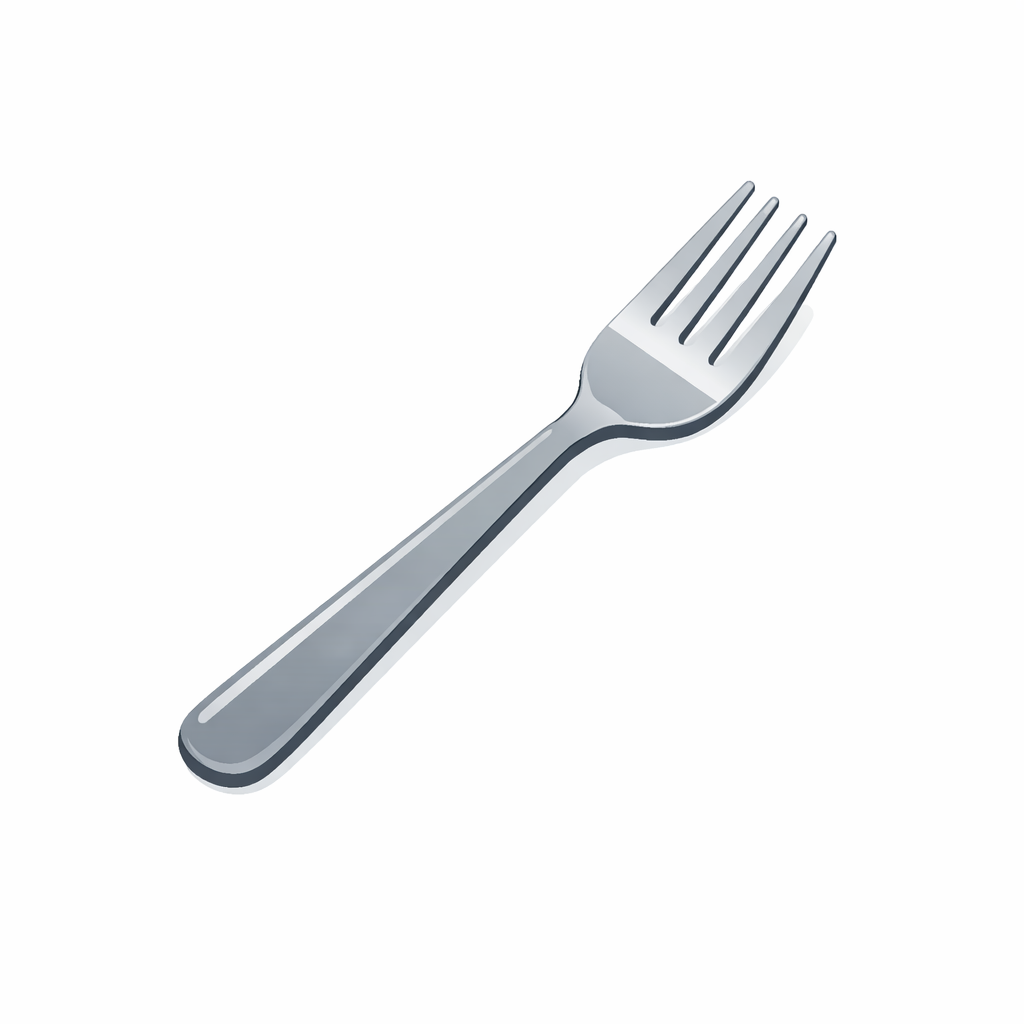
die Gabeln
fork
“Die Gabel liegt auf dem Tisch.”
The fork is lying on the table.

die Köchinnen
cook, female chef
“Die Köchin arbeitet in der Küche.”
The cook works in the kitchen.


die Pizzen
pizza
“Ich esse die Pizza heute zum Mittagessen.”
I eat the pizza today for lunch.


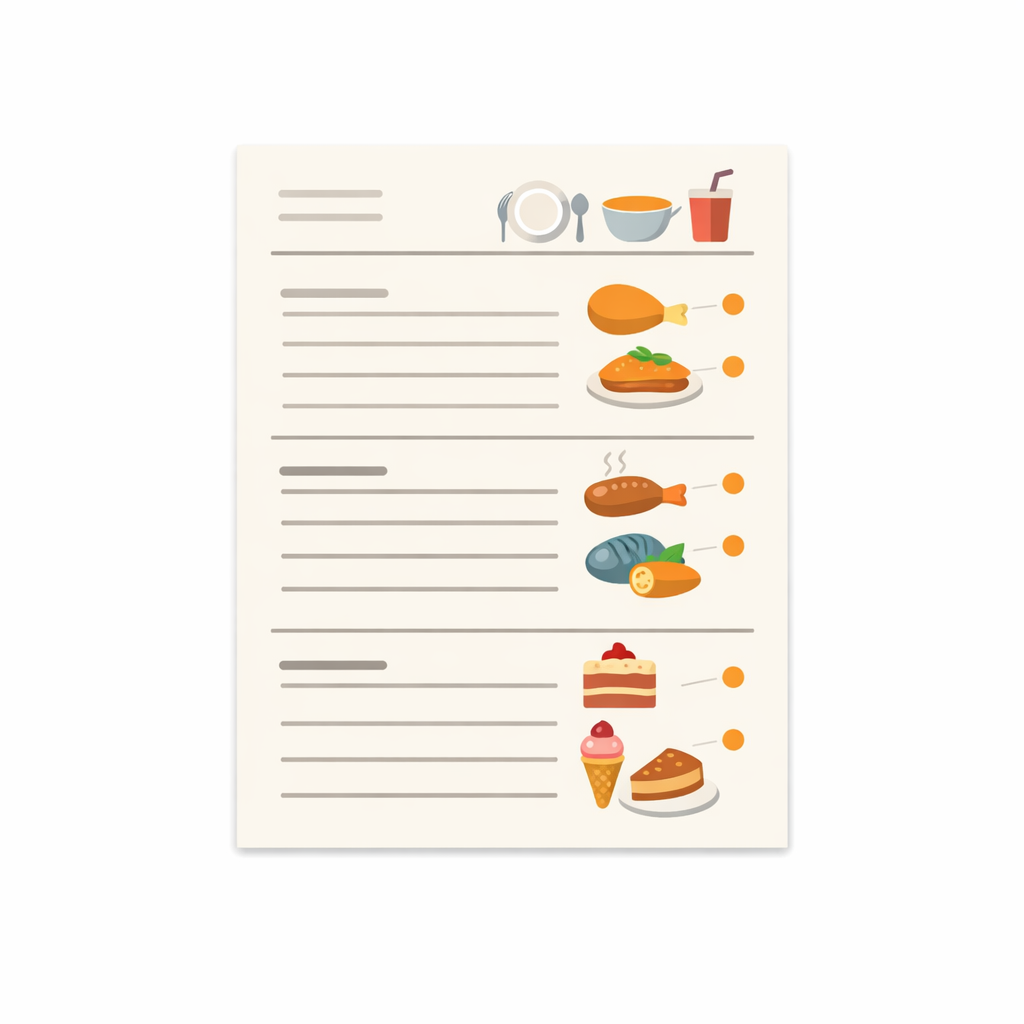
die Speisekarten
menu
“Ich brauche die Speisekarte bitte.”
I need the menu, please.


die Restaurants
restaurant
“Das Restaurant ist groß.”
The restaurant is big.

die Menüs
menu
“Ich lese das Menü im Restaurant.”
I read the menu in the restaurant.


die Messer
knife
“Ich brauche das Messer für das Brot.”
I need the knife for the bread.


die Köche
cook, chef (male)
“Der Koch macht heute eine Suppe.”
The cook makes a soup today.


die Vorspeisen
starter
“Die Vorspeise ist heute sehr lecker.”
The appetizer is very tasty today.


die Kellnerinnen
waitress
“Die Kellnerin ist freundlich.”
The waitress is friendly.



Verbs
to come
“Ich komme aus Deutschland.”
I come from Germany.
to pay
“Bezahlt ihr das Wasser hier?”
Are you paying for the water here?
to stand
“Ich stehe jeden Morgen um sieben Uhr auf.”
I get up every morning at seven o’clock.
to wait
“Ich warte vor dem Kino.”
I wait in front of the cinema.
to bring
“Ich bringe das Buch zur Schule.”
I bring the book to school.
to cook
“Ich koche heute eine Suppe.”
I am cooking a soup today.
to order
“Ich bestelle eine Pizza.”
I order a pizza.
to go
“Ich gehe jeden Morgen zur Schule.”
I go to school every morning.
to be hungry
“Ich bin hungrig.”
I am hungry.
to serve
“Ich serviere das Frühstück jeden Morgen.”
I serve the breakfast every morning.
to taste
“Der Apfel schmeckt gut.”
The apple tastes good.
to ask for the bill
“Ich lasse meinen Freund das Essen bezahlen.”
I let my friend pay for the food.
to recommend
“Ich empfehle das Buch.”
I recommend the book.
to stay
“Sie bleibt heute nicht im Büro.”
She is not staying in the office today.
to drink
“Ich trinke Wasser.”
I drink water.
to be satisfied
“Ich bin heute zufrieden.”
I am satisfied today.
to eat
“Ich esse einen Apfel.”
I eat an apple.
to bake
“Ich backe einen Kuchen.”
I bake a cake.
to sit
“Ich sitze auf dem Stuhl.”
I am sitting on the chair.
Practice with Games


Example Sentences
Kann ich bitte die Speisekarte haben?
Can I have the menu, please?
Ich möchte einen Kaffee bestellen.
I would like to order a coffee.
Ist dieser Tisch noch frei?
Is this table still free?
Die Rechnung, bitte.
The bill, please.
Der Kellner bringt uns das Essen.
The waiter is bringing us the food.
Frequently Asked Questions
How do you say menu in German?
How do you say coffee in German?
How do you say table in German?
How do you say restaurant in German?
How do you say waiter in German?
How do you ask for the bill in German?
Continue Learning
Café Berlin Game
Practice ordering food in German: serve customers and say the price
Food & Drink Vocabulary
Learn German words for meals, ingredients, and beverages
Goethe A1 Nouns
Essential beginner nouns for the Goethe A1 exam
Shopping & Services Vocabulary
German words for shops, money, and everyday services